
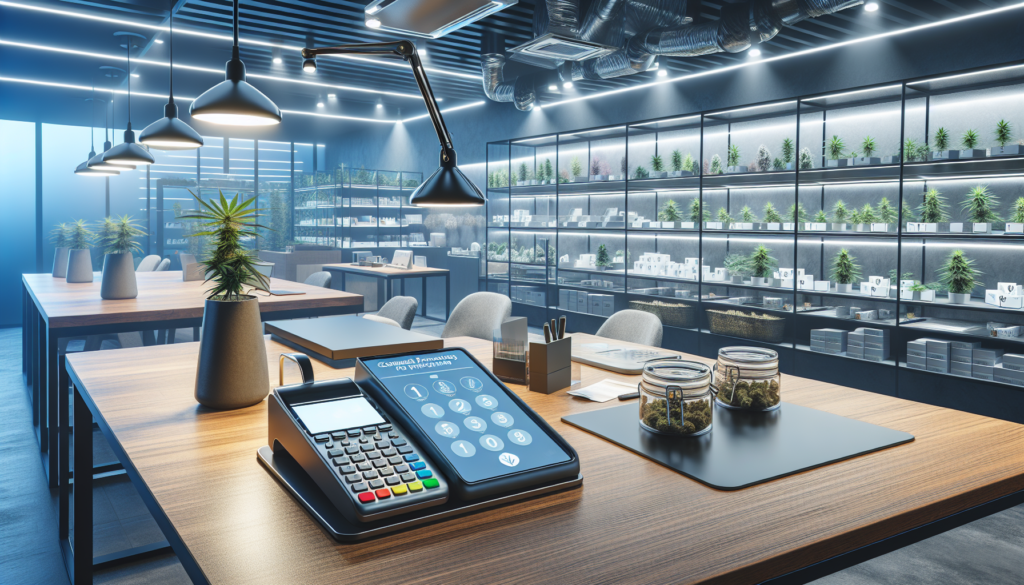
Here’s a stat that surprises most new cannabis and hemp entrepreneurs: CBD businesses get approved for merchant accounts 70% faster than THC dispensaries — even though both products come from the same plant family. The difference isn’t about the plant itself. It’s about how federal law treats each product, and how payment processors respond to that legal framework. Understanding CBD vs cannabis payment processing isn’t just helpful — it’s critical to building a sustainable, scalable business that doesn’t operate on cash alone.
📊 CBD businesses typically face approval rates of 60-75% with traditional processors, while cannabis dispensaries average just 15-30% — even with high-risk specialists.
Why CBD and Cannabis Payment Processing Are Treated So Differently
The 2018 Farm Bill changed everything for CBD. It federally legalized hemp-derived CBD products containing less than 0.3% THC. That single piece of legislation opened the door for CBD businesses to access traditional banking and payment processing — though many still face hurdles.
Cannabis, on the other hand, remains a Schedule I controlled substance at the federal level. No matter how many states legalize recreational or medical marijuana, banks and payment processors operate under federal regulations. That means most won’t touch your dispensary — even if you’re fully licensed and compliant at the state level.
This creates a fundamental divide. CBD credit card processing operates in a legal gray area where processors can work with you if they choose to accept the risk. Cannabis payment processing requires specialized high-risk banking relationships and compliance infrastructure that most traditional processors simply don’t offer.
You’re not just choosing between two product categories. You’re choosing between two entirely different regulatory environments, approval processes, and cost structures.
Approval Requirements: What CBD and Cannabis Businesses Each Need
If you’re selling CBD products derived from hemp, you’ll need proof that your products contain less than 0.3% THC — typically through third-party lab testing documentation. Processors will also want to see your business license, website review, and product descriptions to ensure you’re not making unverified health claims that could trigger FDA scrutiny.
Most CBD merchants can get approved through high-risk processors without needing cannabis-specific banking partners. You’ll still pay higher rates than a coffee shop, but you won’t face the same institutional rejection that dispensaries do.
Cannabis dispensaries face a completely different approval process. You’ll need state licensing documentation, compliance with seed-to-sale tracking systems, detailed security protocols, and proof of state tax registration. Even then, securing a high-risk merchant account often requires working with processors who specialize exclusively in cannabis.
Here’s the reality check: CBD businesses can often get approved within 7-14 days. Cannabis dispensaries should expect 3-6 weeks minimum — and that’s if everything goes smoothly.
Processing Fees and Account Costs: The Real Price Difference
CBD merchants typically pay processing rates between 3.5% and 6% per transaction, plus monthly fees ranging from $50 to $200. That’s higher than mainstream retail, but manageable for most online CBD stores and brick-and-mortar hemp shops.
Cannabis dispensaries pay significantly more — often 5% to 8% per transaction, with monthly account fees between $200 and $500. Some processors also charge compliance fees, gateway fees, and annual review costs that CBD merchants never see.
Why the difference? Risk. Processors working with CBD e-commerce payment processing face regulatory risk, but they’re not handling federally illegal transactions. Cannabis processors take on both regulatory and financial risk — they’re building infrastructure around a product that’s still federally prohibited.
The higher fees aren’t just profit padding. They cover the cost of compliance programs, legal counsel, banking partnerships willing to work with cannabis funds, and the reserves processors must maintain to cover chargebacks and account freezes.
- CBD processing: 3.5-6% transaction fees, $50-200/month account fees
- Cannabis processing: 5-8% transaction fees, $200-500/month account fees
- Cannabis accounts often require higher reserves and longer settlement times
- CBD merchants can access more payment gateway options and e-commerce platforms
Which Payment Solutions Work for CBD vs Cannabis Businesses
CBD businesses have more options. You can work with high-risk payment processors who specialize in hemp and CBD, or sometimes even mid-tier processors if your product line and marketing are conservative. You’ll have access to most major CBD payment gateways, integration with Shopify and WooCommerce, and the ability to accept all major credit cards.
Cannabis dispensaries need specialized solutions. You’re looking at cannabis-specific merchant accounts, ACH payment systems, debit-only transactions in many cases, and point-of-sale systems built specifically for dispensaries. Most mainstream e-commerce platforms won’t even host your site if you’re selling THC products.
If you’re selling Delta-8 or THC-A products, you’re in a particularly tricky spot — these semi-synthetic cannabinoids exist in a legal gray area that makes some processors treat you like CBD and others treat you like full THC cannabis.
The practical takeaway: CBD businesses can often find processing solutions within a week if they have clean documentation and a professional online presence. Cannabis dispensaries need to build relationships with specialized processors and be prepared for a longer, more complex approval journey.
Frequently Asked Questions
Can I use the same merchant account for both CBD and cannabis products?
No — mixing CBD and THC cannabis products in the same merchant account will get you shut down fast. Processors categorize these as completely different risk levels. If you sell both product types, you need separate merchant accounts with clear separation between your CBD business operations and your cannabis operations.
Is it easier to get approved for CBD processing if I already have a cannabis merchant account?
Not necessarily. Having an existing cannabis account doesn’t hurt, but CBD processors evaluate your CBD business independently. If your CBD products meet legal requirements and your business documentation is solid, you’ll be evaluated on those merits — your cannabis operations are basically irrelevant to the CBD approval process.
Why do some processors reject my CBD business even though CBD is federally legal?
Federal legality doesn’t mean zero risk. Many processors reject CBD merchants because of high chargeback rates in the industry, FDA uncertainty around CBD health claims, and the reputational risk of being associated with cannabis-adjacent products. Some card networks and banks still lump CBD in with cannabis despite the legal differences.
Can cannabis dispensaries ever accept credit cards, or is it debit-only forever?
Some cannabis dispensaries do accept credit cards through specialized high-risk processors with cannabis banking partnerships. It’s not debit-only forever, but credit card processing for cannabis is significantly harder to get approved for, more expensive, and comes with stricter compliance requirements than debit-based solutions.
Conclusion
Understanding CBD vs cannabis payment processing isn’t just about knowing the legal differences — it’s about choosing the right processing partner who understands your specific business model and can keep your payments flowing reliably. Whether you’re selling hemp-derived CBD products or operating a licensed cannabis dispensary, the worst mistake you can make is assuming all high-risk processors are the same. They’re not. If you’re tired of getting rejected or paying excessive fees because your current processor doesn’t truly understand your industry, contact Elevated Processing today. We’ll match you with the right payment solution for your business — whether that’s CBD, cannabis, or somewhere in between.